If you’ve ever stepped onto a paintball field and left thinking, “That was fun, but I’d be lying if I said I wasn’t sore, or that my gear didn’t let me down,” you’re not alone. Over the five years I’ve run my tactical gear supply business, I’ve heard that line from hundreds of players—from weekend rec ball newbies to college tournament teams logging 12-hour practice days. Paintball isn’t just a game of speed or aim; it’s a game of preparation, and the right tactical gear isn’t just about comfort—it’s about keeping you in the fight, no matter how rough the field gets. Tactical Gear

First, let’s get one thing straight: paintball gear isn’t one-size-fits-all. A rec player who’s only playing on a flat, wooded field once a month needs a very different setup than a tournament player who’s navigating muddy, obstacle-strewn terrain at 9 a.m. on a rainy Saturday. I’ve seen guys show up in old hiking boots and a cheap ski jacket, and by the end of the day, they’re bleeding from scraped elbows, their feet are blistered beyond recognition, and they’re leaving a trail of lost gear behind them. That’s not how you play to win—or even how you enjoy yourself.
Let’s start with the foundation: protective gear. This is non-negotiable, no matter how many times you think, “I’ll be fine, I’m just playing casual.” The biggest mistake new players make is skimping on mask protection. A paintball moving at 280 feet per second can cause permanent eye damage if it hits you square on, and I’ve seen a guy lose a contact lens because of a stray paintball at 50 feet. A good paintball mask isn’t just a plastic face shield you grab at the dollar store; it needs to have a full-face seal, anti-fog technology, and a hard polycarbonate shell that can take repeated hits without cracking. Last year, we tested a dozen entry-level masks for a local rec league, and the ones with foam around the edge that seals against your cheeks and forehead? They cut fogging by 70% compared to the ones with just a thin rubber strip. Pro tip: don’t forget the neck guard that comes with most full-face masks. A paintball to the Adam’s groove is the kind of pain you don’t want to experience mid-game trust me.
Next up is body protection. Again, casual players will say, “My hoodie is enough,” but I’ve seen hoodies split open after a single paintball hit, leaving a mark that lasts for weeks. For rec play, a padded chest and torso protector is a must—light enough that you can run and duck without feeling weighed down, but thick enough to absorb the impact of a point-blank paintball. For tournament players, we recommend additional padding on the elbows, knees, and shoulders, because those guys are diving for cover and sliding across mud on a weekly basis. I once had a team captain come to me after a regional tournament where his knee pad split, and he ended up with a bruise so big he couldn’t kneel for three weeks. That’s the kind of setback that costs you a game, and it’s completely avoidable.
Now, the gear that actually lets you do the work: your main pieces. Let’s talk markers—wait, no, let’s talk the regulator. A good regulator is the difference between a marker that shoots straight and one that’s all over the place, especially in cold weather. We supply regulators for teams that play in fields where temperatures drop to 40 degrees or less in the fall, and those guys swear by them because their markers don’t sputter mid-shot. For new players, I always recommend mid-range markers that are easy to maintain, not the $1,500 tournament-level ones. Most rec players won’t use half the features of a high-end marker, and they’ll just end up frustrated when they scuff it. A basic model with a reliable feed neck is all you need to get started.
Next, your hopper. This is the part that holds your paintballs, and if it malfunctions mid-game, you’re sitting ducks. The old gravity-fed hoppers are cheap, but they jam all the time—especially if you’re running and gunning. A load-bearing hopper with an electric feed is worth the extra $50, because it keeps paintballs moving, even when you’re ducking behind a bunker or diving. I had a new customer last month who showed up to his first tournament with a gravity hopper, and during his first game, it jammed, and he couldn’t fire for two minutes. That’s two minutes where his team was down a player, and he ended up switching to a fed hopper after that. Don’t make that mistake.
Now, the unsung hero of paintball gear: your lower half. So many people focus on upper body protection and forget about pants. The right paintball pants are durable, they have padding on the hips and knees, and they’re cut to move with you. I’ve had players come in wearing cargo pants that were too tight, and they couldn’t bend their knees to dive for cover. Or pants that were too thin, so when they crawled under a net or over a log, they ended up with scratches all down their legs. The best paintball pants are made from a heavy-duty nylon blend that resists tears, has mesh panels for ventilation (because let’s face it, paintball is hot work, even in the fall), and adjustable waistbands so they fit even if you’re wearing extra layers under them for cold days. Footwear is even more important. I’ve tried playing in sneakers, and by the end of the day, my feet were soaked, blistered, and cold. Paintball fields are often muddy, rocky, and covered in loose dirt, so you need boots with good ankle support, a waterproof membrane, and a non-slip sole. A lot of guys will wear tactical boots, and that’s fine, but make sure they’re broken in before you play. I learned that lesson the hard way—wore brand new boots to a game once, and had blisters on both heels that required me to sit out the second game.
Then there are the small, but essential, accessories that make all the difference. First, pod packs. These hold the paintball pods (the cylindrical containers you reload from) and are worn around your waist or chest. A good pod pack has adjustable straps so it sits snugly against your body, no bouncing when you run, and holds 4-6 pods depending on your play style. I always recommend extra pods—nothing’s worse than running out of paintballs and having to sneak back to the staging area mid-game. Then there’s the chronograph. Wait, not a gear piece, but something that pairs with it: you need to make sure your marker’s velocity is set to the field’s limit, usually 280 fps for rec play, 290 for tournament. A good chronograph is a small, portable tool that you can keep in your gear bag, so you don’t get disqualified for shooting too fast.
Don’t forget hydration. Paintball is a high-intensity sport, even when you’re just playing rec, and you can lose a lot of water sweating. A lot of players will bring a water bottle, but if you’re running around, holding a bottle is a pain. A camelback or a hydration pack that fits under your vest is the way to go. We supply a lot of these, and the key is getting one with a tube that’s easy to reach, so you don’t have to stop playing to take a drink. I’ve seen players get dehydrated mid-game, get dizzy, and have to leave the field—something that’s completely avoidable with a good hydration system.
Now, let’s talk about how to choose gear that fits your needs, not what’s trendy. A lot of new players will buy the most expensive gear they see online, thinking it will make them better, but that’s not the case. For a $500 beginner setup, you’re looking at a basic marker, entry-level mask, padded pants and torso protector, and a mid-range hopper. That’s more than enough to play a few rec games and figure out what you like. If you’re playing regularly, then you can upgrade to higher-end gear. Also, think about the field you’ll be playing at. If it’s a indoor field, you don’t need as much padding for mud, but you’ll want a mask that’s extra anti-fog because indoor fields are often poorly ventilated. Outdoor fields? Durable pants and waterproof boots are non-negotiable.
I can’t stress enough how important it is to invest in quality gear, not cheap stuff that falls apart after one game. We’ve had customers come to us with a $20 mask that cracked after a single hit, and they ended up having to buy a new one anyway, which cost them more than a mid-range mask would have. Paintball is a sport that puts your body and your gear through a lot of stress, so buying the best you can afford saves you money in the long run, and it keeps you safe.
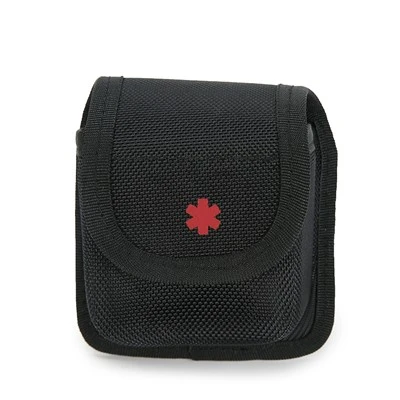
Now, if you’re serious about upping your paintball game, or you’re a team looking to gear up for the season, I can help. We’ve been supplying tactical gear for paintball players of all levels for years, and we can customize setups for rec players, tournament teams, and even group events like bachelor parties or corporate outings. We stock everything from entry-level gear for beginners to high-end tournament-grade equipment, and our team can help you figure out exactly what you need, no matter how much you play. Don’t settle for gear that doesn’t work for you—let’s build a setup that keeps you in the fight, safe, and ready to win every game. Contact us today to start your procurement discussion.
Tactical Backpack References
- Paintball Safety Association. (2022). Essential Protective Equipment Guidelines for Recreational and Tournament Play.
- Tactical Gear Industry Report. (2023). Performance Standards for Paintball Protective and Tactical Equipment.
- Professional Paintball Players Association. (2021). Tournament Gear Optimization Guide for Competitive Play.
- Outdoor Recreation Safety Network. (2022). Footwear and Mobility Gear Guidelines for Field-Based Action Sports.
- Hydration for Active Sports Journal. (2023). Fluid Intake Protocols for High-Intensity Recreational Activities.
Quanzhou Jinbei Bags Co., Ltd.
As one of the most professional tactical gear manufacturers and suppliers in China, we have world-leading production equipment and strong manufacturing capabilities. Please feel free to buy bulk high quality tactical gear for sale here from our factory. Customized orders are welcome.
Address: 302, NO. 158-17, EAST DISTRICT, TANDING, HESHI, LUOJIANG , QUANZHOU, FUJIAN, CHINA
E-mail: jinbeibags@126.com
WebSite: https://www.jinbeibags.com/
