As a dedicated pump shaft supplier, I’ve witnessed firsthand the intricate dance between pump shaft diameter and pump performance. This relationship is not just a technical curiosity; it’s a cornerstone of efficient and reliable pump operation. In this blog, I’ll delve into the science behind this connection, exploring how the diameter of a pump shaft can influence various aspects of pump performance. Pump Shaft

The Basics of Pump Shafts
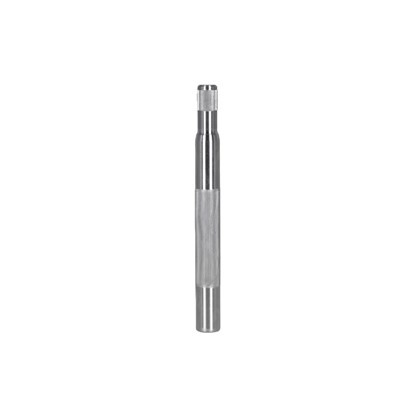
Before we dive into the relationship between shaft diameter and performance, let’s briefly review what a pump shaft is and its role in a pump system. A pump shaft is a crucial component that transfers power from the motor to the impeller, the rotating part of the pump that moves fluid. It must be strong enough to withstand the torque and bending forces generated during operation, while also maintaining precise alignment to ensure smooth and efficient performance.
Impact on Torque Transmission
One of the primary ways in which pump shaft diameter affects performance is through its ability to transmit torque. Torque is the rotational force that causes the impeller to spin, and it’s directly related to the power output of the motor. A larger shaft diameter can handle more torque without experiencing excessive stress or deformation. This is because the cross-sectional area of the shaft increases with the square of the diameter, providing more material to resist the forces acting on it.
For example, consider a pump that requires a certain amount of torque to operate effectively. If the shaft diameter is too small, it may not be able to transmit the required torque, leading to reduced impeller speed and lower flow rates. On the other hand, a larger shaft diameter can handle the torque more easily, allowing the impeller to rotate at the desired speed and deliver the expected performance.
Influence on Bending and Deflection
In addition to torque transmission, the diameter of the pump shaft also plays a crucial role in resisting bending and deflection. As the impeller rotates, it creates forces that can cause the shaft to bend or deflect. If the shaft is too flexible, these forces can lead to misalignment between the impeller and the pump housing, resulting in increased wear and tear, reduced efficiency, and even premature failure.
A larger shaft diameter provides greater stiffness and resistance to bending, helping to maintain proper alignment and minimize the effects of deflection. This is particularly important in pumps that operate at high speeds or under heavy loads, where the forces acting on the shaft are more significant. By choosing the right shaft diameter, pump designers can ensure that the shaft remains straight and stable, even under challenging operating conditions.
Effect on Critical Speed
Another important aspect of pump performance that is influenced by shaft diameter is the critical speed. The critical speed is the rotational speed at which the shaft begins to vibrate violently due to resonance. This can cause significant damage to the pump and its components, leading to costly repairs and downtime.
The critical speed of a pump shaft is determined by several factors, including its length, diameter, material properties, and the type of bearings used. Generally, a larger shaft diameter will have a higher critical speed, as it is stiffer and less prone to vibration. By selecting a shaft diameter that is appropriate for the pump’s operating speed, designers can avoid the risk of resonance and ensure smooth and reliable operation.
Impact on Efficiency
The relationship between pump shaft diameter and efficiency is also worth considering. A larger shaft diameter can reduce the amount of power lost due to friction and vibration, resulting in improved overall efficiency. This is because a larger shaft has a lower surface area-to-volume ratio, which means that there is less contact between the shaft and the bearings, reducing friction and heat generation.
In addition, a larger shaft diameter can help to maintain proper alignment between the impeller and the pump housing, which can further improve efficiency by reducing leakage and improving the flow of fluid through the pump. By optimizing the shaft diameter, pump manufacturers can design pumps that are more energy-efficient and cost-effective to operate.
Considerations for Pump Shaft Selection
When selecting a pump shaft diameter, there are several factors that need to be taken into account. These include the pump’s operating conditions, the type of fluid being pumped, the power requirements of the motor, and the desired performance characteristics.
For example, in applications where the pump is required to operate at high speeds or under heavy loads, a larger shaft diameter may be necessary to ensure reliable performance. On the other hand, in applications where space is limited or where cost is a major concern, a smaller shaft diameter may be more appropriate.
It’s also important to consider the material properties of the shaft, as different materials have different strengths, stiffnesses, and corrosion resistance. Common materials used for pump shafts include stainless steel, carbon steel, and alloy steel, each with its own advantages and disadvantages.
Conclusion
In conclusion, the relationship between pump shaft diameter and pump performance is complex and multifaceted. The diameter of the shaft can have a significant impact on torque transmission, bending and deflection, critical speed, and efficiency. By understanding these relationships and carefully selecting the appropriate shaft diameter for each application, pump designers and operators can ensure that their pumps operate reliably, efficiently, and cost-effectively.
Valve Shaft If you’re in the market for high-quality pump shafts, I invite you to reach out to me. As a trusted pump shaft supplier, I have the expertise and experience to help you select the right shaft for your specific needs. Whether you’re looking for a standard shaft or a custom-designed solution, I’m here to assist you every step of the way. Contact me today to discuss your requirements and learn more about how I can help you optimize your pump performance.
References
- Hydraulic Institute Standards. (2020). ANSI/HI 1.1 – 1.2 Centrifugal Pumps for Design and Application.
- Pumps and Pumping Systems: Design and Applications. (2018). By Igor J. Karassik, Joseph P. Messina, Paul Cooper, Charles C. Heald.
- Mechanical Engineering Design. (2012). By Joseph Edward Shigley, Charles R. Mischke, Richard G. Budynas.
Ningbo Uni-drive Technology Co., Ltd.
Ningbo Uni-drive Technology Co., Ltd. is one of the most professional pump shaft manufacturers and suppliers in China. Please feel free to buy cheap pump shaft made in China here and get pricelist from our factory. All customized products are with high quality and competitive price.
Address: Industrial Site No. 6, Jingtou Village, Sanqi Town, Yuyao City, Zhejiang Province
E-mail: admin@uni-drive.com.cn
WebSite: https://www.motordriveshaft.com/
