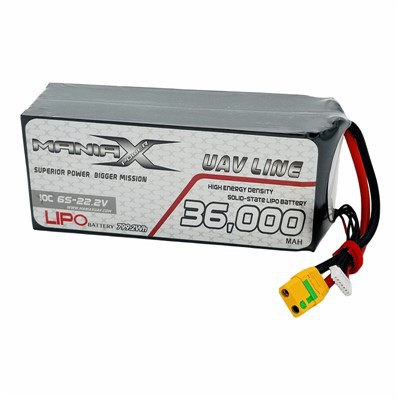
As a supplier of Jet Turbines LiFePO4 batteries, I often encounter a common question from customers: Does Jet Turbines LiFePO4 Battery require a special charger? This is a crucial query that not only affects the performance and lifespan of the battery but also the overall safety of its usage. In this blog, I will delve into the technical aspects of LiFePO4 batteries, the charging requirements, and whether a special charger is necessary. Jet Turbines LiFePO4 Battery
Understanding LiFePO4 Batteries
Before discussing the charging requirements, it’s essential to understand the characteristics of LiFePO4 (Lithium Iron Phosphate) batteries. LiFePO4 batteries are a type of rechargeable lithium – ion battery known for their high energy density, long cycle life, and enhanced safety compared to other lithium – ion chemistries.
One of the key advantages of LiFePO4 batteries is their thermal and chemical stability. Unlike cobalt – based lithium – ion batteries, LiFePO4 batteries are less prone to thermal runaway, a phenomenon that can lead to overheating, fire, or explosion. This stability is due to the nature of the iron phosphate cathode material, which is more chemically stable under various operating conditions.
Another significant feature is the long cycle life. Jet Turbines LiFePO4 batteries can typically withstand 2000 – 5000 charge – discharge cycles, depending on the usage conditions and depth of discharge. This makes them a cost – effective choice in the long run, especially for applications that require frequent charging and discharging.
Charging Requirements of LiFePO4 Batteries
To ensure the optimal performance and longevity of LiFePO4 batteries, it’s crucial to follow specific charging guidelines. The charging process of a LiFePO4 battery generally consists of two main stages: the constant – current (CC) stage and the constant – voltage (CV) stage.
Constant – Current (CC) Stage
In the initial phase of charging, the charger supplies a constant current to the battery. This current is typically set at a rate that allows the battery to accept charge quickly without overheating or causing damage. For Jet Turbines LiFePO4 batteries, the recommended constant – current charging rate is usually around 0.5C – 1C, where C represents the battery’s capacity. For example, if the battery has a capacity of 100Ah, a 0.5C charging current would be 50A, and a 1C charging current would be 100A.
Constant – Voltage (CV) Stage
Once the battery voltage reaches a certain threshold (usually around 3.65 – 3.75V per cell for LiFePO4 batteries), the charger switches to the constant – voltage stage. During this stage, the charger maintains a constant voltage while the charging current gradually decreases as the battery approaches full charge. It’s important to set the correct voltage limit in this stage because overcharging can cause irreversible damage to the battery, such as reducing its capacity and increasing the risk of thermal runaway.
The Need for a Special Charger
The question of whether Jet Turbines LiFePO4 batteries require a special charger can be answered by considering the specific charging requirements and safety aspects.
Voltage and Current Regulation
LiFePO4 batteries have different voltage and charging characteristics compared to other types of batteries, such as lead – acid or lithium – cobalt – oxide batteries. A standard charger designed for lead – acid batteries, for example, may not provide the correct voltage and current profiles for LiFePO4 batteries. Using an incompatible charger can lead to undercharging or overcharging, which can significantly reduce the battery’s lifespan and performance.
A special charger for Jet Turbines LiFePO4 batteries is designed to precisely control the voltage and current during the CC and CV stages. It can accurately detect the battery’s state of charge and adjust the charging parameters accordingly. This ensures that the battery is charged safely and efficiently, maximizing its cycle life and performance.
Safety Features
LiFePO4 batteries, although generally safer than other lithium – ion chemistries, still require proper safety measures during charging. A special charger for Jet Turbines LiFePO4 batteries is equipped with various safety features, such as over – voltage protection, over – current protection, and short – circuit protection.
Over – voltage protection prevents the battery from being charged above its safe voltage limit, which can damage the battery’s internal structure. Over – current protection limits the charging current to prevent excessive heat generation, while short – circuit protection safeguards against potential short – circuits in the charging circuit. These safety features are essential for protecting both the battery and the user from potential hazards.
Battery Management System (BMS) Compatibility
Many Jet Turbines LiFePO4 batteries are equipped with a Battery Management System (BMS). The BMS is responsible for monitoring and controlling the battery’s performance, including cell balancing, state – of – charge estimation, and protection. A special charger is designed to be compatible with the BMS, allowing for seamless communication between the charger and the battery.
The charger can receive information from the BMS, such as the battery’s temperature and state of charge, and adjust the charging parameters accordingly. This ensures that the battery is charged in a way that maximizes its performance and lifespan while maintaining safety.
Benefits of Using a Special Charger
Using a special charger for Jet Turbines LiFePO4 batteries offers several benefits:
Extended Battery Lifespan
By providing the correct voltage and current profiles and protecting the battery from overcharging and overheating, a special charger can significantly extend the battery’s lifespan. This means that you can get more charge – discharge cycles out of the battery, reducing the need for frequent replacements and saving you money in the long run.
Optimal Performance
A special charger ensures that the battery is charged to its full capacity and maintains its performance over time. By accurately controlling the charging process, the charger can prevent capacity degradation and ensure that the battery delivers consistent power output during use.
Safety
The safety features built into a special charger provide peace of mind when charging Jet Turbines LiFePO4 batteries. You can be confident that the battery is being charged safely, reducing the risk of fire or explosion.
Conclusion
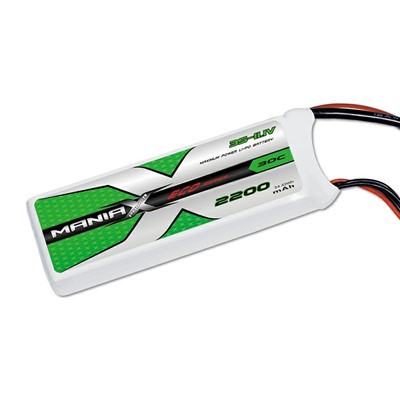
In conclusion, Jet Turbines LiFePO4 batteries do require a special charger. The unique charging requirements of LiFePO4 batteries, including the need for precise voltage and current regulation, safety features, and BMS compatibility, make a special charger essential for optimal performance, extended lifespan, and safety.
Lipo Battery Safe Bags If you’re looking to purchase Jet Turbines LiFePO4 batteries or the corresponding special chargers, I encourage you to reach out to us for a detailed discussion. We have extensive experience in providing high – quality LiFePO4 battery solutions and can offer professional advice tailored to your specific needs. Whether you’re using the batteries for jet turbines, renewable energy storage, or other applications, we have the expertise to ensure that you get the best – performing and safest battery system. Contact us to start your procurement and let’s discuss how our products can meet your requirements.
References
- "Lithium – Ion Batteries: Science and Technologies" by Ralph E. White, Bing – Joe Hwang, and Branko N. Popov.
- "Battery Management Systems: Design by Modelling for Automotive Applications" by G. Plett, K. Sauer, and X. Lu.
- Technical documentation provided by Jet Turbines LiFePO4 battery manufacturers.
ManiaX Power Technology Co., Ltd.
ManiaX Power Technology Co., Ltd. is one of the most reliable jet turbines lifepo4 battery manufacturers and suppliers in China, also supports customized service. Please feel free to wholesale bulk durable jet turbines lifepo4 battery made in China here from our factory.
Address: Room 1508, 15/F, Two Grand tower, 625 Nathan Road, Kowloon, HongKong. P.R. China
E-mail: info@maniax-power.com
WebSite: https://www.maniaxpower.com/
