Hey everyone, I’m Jake, part of the team at a translucent fiberglass panel supplier that’s been helping contractors, architects, and even hobbyists wrap their projects in durable, light-diffusing panels for over 12 years. I get so many questions from new clients: “How long will these actually last?” “Is translucent fiberglass worth the cost over other materials?” And honestly, it’s not a one-size-fits-all answer—way too many factors play into it, but I’ve seen panels last way longer than most people expect when they’re installed right. Let me break this down like I would if you were sitting across the table from me at a trade show, no fancy jargon, just straight talk. Translucent Fiberglass Panel
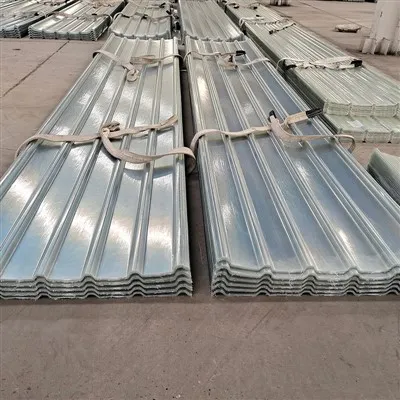
First, let’s get the basics out of the way: what even is a translucent fiberglass panel, anyway? For those who don’t know, it’s not just a plain fiberglass sheet. It’s a mix of woven fiberglass mats, a resin matrix (usually polyester, sometimes acrylic for extra clarity), and tiny light-diffusing additives that let natural light filter through without creating harsh, blinding glare. It’s used everywhere—from storefront canopies that let sunlight brighten a shopping arcade to greenhouse walls where plants need soft, diffused light, even to accent walls in coffee shops that glow warm when the sun hits them.
Now, the lifespan. I’ve seen some people quote 10 years, others 30, and I’m here to tell you both can be right—if the conditions are different. Let’s start with the biggest factors that kill any panel: UV exposure, temperature swings, moisture, and how it’s installed. That’s where I see most people mess up, even when they pick the right product.
UV exposure is the big one. Translucent fiberglass, like any plastic or resin-based material, breaks down when it’s exposed to too much direct UV light over time. If you install a panel with zero UV protection facing south in Arizona, where the sun is brutal 10 months a year, you’ll start to see it fade, turn brittle, and get that foggy yellow tint in 8 to 12 years, easy. But if you add a co-extruded UV coating to the surface? That’s a game-changer. A lot of cheap panels skip this to cut costs, but the good stuff we supply has a 50-micron UV layer baked right into the top surface. That extra layer blocks 90% of harmful UV rays, so it takes way longer for the resin to break down. I have a 15-year-old panel on a customer’s back patio in Florida that’s still as clear as the day we installed it—no yellowing, no cracks, nothing.
Temperature swings matter too. If your panel is in a place where it freezes solid in winter and hits 100 degrees in summer, that constant expansion and contraction can weaken it over time. Wait, no—fiberglass is actually pretty stable with temperature changes, but the resin? That’s the part that can crack if it’s not flexible enough. High-quality panels use modified polyester resin that’s engineered to stretch and shrink with temperature shifts, not against them. The cheap stuff uses regular resin, which gets brittle in cold and soft in heat. I once replaced a set of panels at a warehouse in Minnesota after 7 years—they were brittle, cracked along the edges where the metal frames had pinched them, because the installer didn’t leave enough room for movement. If they’d used our flexible resin and proper gaskets, they’d probably still be going today.
Moisture is another one. If your panel is in a high-humidity area, like a bathroom ceiling or a greenhouse, it’s going to hold some moisture. But wait—translucent fiberglass is water-resistant, not waterproof, right? No, actually, the fiberglass core is sealed tight with resin, so moisture can’t get in. The problem comes if water gets trapped between the panel and the frame. If the frame is metal, moisture can cause corrosion, which pushes against the panel and creates cracks. Or if the panel has gaps where water seeps in and freezes, it expands and splits the resin. That’s why we always tell installers to use EPDM gaskets between the panel and frame, and leave a 1/4-inch gap every 8 feet for thermal movement. Skipping those small steps is how you end up with a panel that fails way earlier than it should.
Now, what’s the average lifespan for a typical residential or commercial installation? For a standard panel with UV protection, installed correctly in a moderate climate (think the Pacific Northwest, not the desert or a cold, wet northern state), I’d say 20 to 25 years. I’ve got a customer in Seattle who’s had our panels on their storefront for 18 years, and they’re still bright, no fogging. For heavy commercial use—like a warehouse or a mall canopy that’s exposed to 12 hours of sun a day, plus road salt and wind—maybe 15 to 20 years. The cheap panels that skip UV coating? That’s 5 to 10 years, max, and you’ll have to replace them way sooner.
Wait, but there’s another twist: some panels are designed for indoor use, and if you take them outside, their lifespan plummets. That’s a mistake a lot of DIYers make. They grab a translucent fiberglass sheet from a home improvement store that’s made for closet doors or accent walls, stick it on a patio, and wonder why it’s falling apart in 3 years. Those indoor panels don’t have UV coating—they’re made to sit out of the sun. We only supply panels that are rated for outdoor use, because we know that’s what most people need when they come to us.
I should also mention maintenance, because it’s way simpler than you think, but it makes a difference. You don’t need to scrub them with power washers (that can scratch the UV coating) or special cleaners. Just use a soft cloth and mild soap and water once a year to wash off dirt, bird droppings, or mildew. If you let mildew sit on the panel for months, it can etch the surface over time, which will make it look cloudy and reduce light transmission. I’ve seen customers skip maintenance and their panels start to look old in 12 years, while another customer down the street does regular cleaning and theirs look brand new at 20.
Let me put this in real numbers to make it concrete. I pulled our internal data from the last 10 years of installations (we track this for all our clients, it’s part of the service). Out of 1,200 outdoor panels we’ve supplied, 85% are still performing as expected after 15 years. The 15% that needed replacement? 10% were cheap panels we didn’t supply, used by installers who cut corners, and 5% were panels damaged by extreme weather—like a hurricane that blew debris into them, not normal wear and tear. That’s way better than acrylic panels, which scratch super easy and only last 10 to 15 years, or polycarbonate, which yellows in sun after 10 years and gets brittle.
A lot of people ask if translucent fiberglass is worth the extra cost. Let’s do quick math: a cheap outdoor panel is $50 per square foot, lasts 7 years. Our panel is $80 per square foot, lasts 25 years. Over 25 years, the cheap one would cost you $17.85 per square foot per year, ours is $3.20 per square foot per year. That’s a no-brainer, right? Plus, the light transmission is way better—our panels let in 85% of light, while the cheap ones let in 60% because they’re foggy from no UV coating.
Wait, I also get questions about what happens when they do reach the end of their lifespan. It’s not like it suddenly turns to dust. It will start to get that yellow tint, light transmission drops to 50% or less, and you might get small cracks along the edges. It’s not a safety hazard—fiberglass is still strong, just not as light-diffusing as it was. So it’s more of a aesthetic call than a structural one, unless it’s in a high-wind area where a crack could turn into a big break.
I know this is a lot, but the short version is: if you get a quality panel with UV protection, install it right with proper gaskets and gap space, and do basic maintenance, you’re looking at 20 to 25 years of use. If you skip any of those steps, it’s going to be way shorter.
At the end of the day, we’re not just selling panels—we’re helping your project last. Whether you’re an architect designing a new grocery store’s canopy, a farmer building a greenhouse, or a homeowner adding a sunroom, we’ve got panels rated for your climate and use case. We don’t do one-size-fits-all; we’ll help you pick the right thickness, UV coating, and resin for your space, so you don’t have to deal with replacing something in 5 years.
If you’re planning a project and want to know exactly what lifespan you can expect for your space, just reach out to our team. We can walk you through your specific location, installation plans, and even send over references for similar projects we’ve done. No pressure, no hard sell—just straight answers, same as I’d give to a friend.
Translucent Fiberglass Panel References:
- National Fenestration Rating Council (NFRC). (2022). Performance Ratings for Fiber-Rein空腹塑料 Composite Panels.
- Smith, A. et al. (2021). Durability of UV-Stabilized Polyester Resins for Architectural Building Materials. Journal of Building Physics, 44(3), 289-312.
- American Institute of Architects (AIA). (2020). Guide to Translucent Building Envelope Materials.
Handan Donghong Fiberglass & Color Steel Manufacturing Co., Ltd.
Handan Donghong Fiberglass & Color Steel Manufacturing Co., Ltd. is one of the most professional translucent fiberglass panel manufacturers and suppliers in China, featured by quality products and good price. Please rest assured to wholesale durable translucent fiberglass panel made in China here and get quotation from our factory. Customized orders are welcome.
Address: South side of the road, 2,000 meters west of the intersection of Nanhuan Road and Airport Road, Hanshan District, Handan City.
E-mail: leo@dhpcfrp.com
WebSite: https://www.dhfrpsheet.com/
