If you’ve ever stepped into a dental office to replace missing teeth, chances are you’ve heard about fixed prostheses—permanent dental restorations like crowns, bridges, or implant-supported dentures that are cemented or fused to your existing teeth or jawbone. As a fixed prostheses supplier, I talk to patients and dentists every week who come to me with a simple, honest question: “If these are fixed, meant to last, and look natural, do they have downsides?” The short answer is yes, like any medical or dental procedure, fixed prostheses can have side effects or complications—but most are manageable with proper care, and understanding them is the first step to making a decision that’s right for your oral health. Let’s break down the real, evidence-based side effects of fixed prostheses, what causes them, and how we at our company work with dental professionals to minimize risks for every patient. Fixed Prostheses
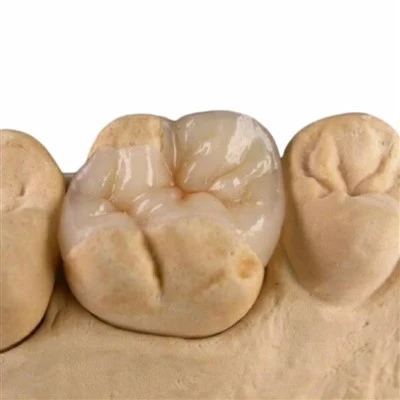
First, it’s important to clarify what fixed prostheses actually are, because not all are the same, and that difference impacts their side effects. A crown is a cap that covers a damaged or weak tooth, restoring its shape, size, and function; a bridge is two crowns attached to a false tooth (pontic) that fills a gap where one or more teeth are missing; and implant-supported fixed prostheses are titanium posts surgically placed into the jawbone, fused with the bone (osseointegration) to hold a crown or bridge in place permanently. Each type has unique risks, rooted in how they’re made and fitted, so let’s start with complications related to crowns and traditional bridges before moving to implants, since those are the two most common fixed prostheses options for most patients.
One of the most frequent side effects I hear about with crowns and bridges is tooth sensitivity, especially in the first few weeks after placement. When a dentist prepares a tooth for a crown, they have to remove a thin layer of enamel— the hard, outer layer that protects the dentin underneath, which has tiny tubules connected to the nerve of the tooth. If the temporary crown placed before the permanent one doesn’t fit perfectly, or if the permanent crown is cemented too tight, temperature sensitivity (hot coffee, ice cream) or even pressure sensitivity when biting can linger. Some patients also develop gum irritation right after placement, because excess cement around the edges of the crown or bridge can get trapped between the gums and the prosthesis, causing inflammation, redness, or even gum recession over time if it’s not removed. As a supplier, we work with dental labs to make crowns and bridges with precise margins that fit tightly to the tooth, which reduces the need for excess cement, and we provide detailed guides to our clients on how to check for and clean away any remaining cement after placement.
Another common, often overlooked side effect of fixed bridges is strain on adjacent teeth. Traditional bridges rely on the teeth on either side of the gap (abutment teeth) to support the false tooth. Those abutment teeth have to be filed down to make space for the crowns of the bridge, which weakens them even if they were healthy before. Over time, that extra strain can lead to abutment tooth decay, gum disease, or even the need for a root canal if the nerve becomes damaged. I recently worked with a dental clinic in Ohio that reported a case where a 55-year-old patient’s abutment tooth developed decay five years after a bridge was placed, because the fit of the bridge allowed food particles to get trapped between the crown and the natural tooth, which regular brushing couldn’t reach. That’s why we always recommend to our clients that when a bridge is the right option, we partner with their team to create restorations with self-cleaning designs—smooth surfaces that prevent food buildup, which in turn reduces strain on abutment teeth and decay risk.
Now turning to implant-supported fixed prostheses, which are growing in popularity because they don’t rely on adjacent natural teeth, they have their own set of possible side effects, many related to the surgical placement of the implant. The most well-known is peri-implantitis, a bacterial infection that affects the tissues around the implant, similar to gum disease around natural teeth. Peri-implantitis starts with mild inflammation (red, swollen gums) and can progress to bone loss around the implant if not treated, which is a big deal because without enough bone, the implant can become loose and fail. Studies show that peri-implantitis affects about 10-15% of dental implant patients within five years of placement, mostly due to poor oral hygiene, but sometimes also because of a misaligned implant that makes it hard to clean around. As a supplier, we prioritize high-quality titanium implants that have a smooth, bacteria-resistant surface, and we provide education to our clients on how to assess implant alignment to make cleaning easier for patients. We also offer customized prosthetic components that match the exact shape of the implant, which reduces gaps where bacteria can hide.
Another surgical side effect of implants is nerve damage, which is rare but possible when the implant is placed too close to the nerves in the jaw. For lower jaw implants, that nerve runs along the bottom, and if the implant is positioned incorrectly, it can cause numbness, tingling, or pain in the chin, lips, or teeth on that side. Most of the time, this is temporary, but in some cases it can be permanent. The risk is higher if a patient has had previous dental work that changed the bone structure of their jaw, or if they have conditions like osteoporosis that weaken bone density. That’s why at our company, we work closely with oral surgeons and dentists to provide precise implant sizing guides and 3D modeling support tools, which help plan implant placement to avoid nerve pathways, reducing that risk significantly.
There are also side effects that aren’t physical, but still impact patient satisfaction, which is something we take very seriously. Some patients report that fixed prostheses feel “unnatural” or cause difficulty with speech in the first few weeks. For bridges that replace front teeth, it’s common for patients to have a lisp or feel like their tongue is hitting the prosthesis until their mouth adapts. Others complain that the prosthesis is too bulky, making it hard to eat certain foods, or that it changes their bite—meaning how their upper and lower teeth meet when they close. A bad bite, or malocclusion, can lead to jaw pain, headaches, and even TMJ disorder over time, which is a major complication. We address this by manufacturing prostheses that match the exact measurements of the patient’s mouth, using digital scanning technology that captures the shape of teeth and gums with 99% accuracy, so the prosthesis fits like a natural part of the mouth, not an add-on. We also provide post-placement support for dentists, including follow-up checklists to verify bite alignment, so small issues can be fixed before they turn into bigger problems.
Now, it’s important to put these side effects in perspective. Most are minor and resolve with time or simple adjustments: sensitivity fades in 2-4 weeks, gum irritation goes away with professional cleaning of excess cement, and speech issues improve as the patient adapts. More serious complications like peri-implantitis or abutment tooth decay are preventable with good oral hygiene (brushing twice a day, flossing, regular dental checkups) and proper fitting of the prosthesis. In fact, studies show that when fixed prostheses are custom-fitted and maintained correctly, they have a success rate of 95% or more over 10 years, which is far higher than many other dental restoration options like removable partial dentures.
I want to be transparent, because as a fixed prostheses supplier, I’ve seen both the benefits and the risks firsthand. We don’t sell one-size-fits-all restorations, because we know that every patient’s mouth is different, and every dentist has unique needs for their practice. That’s why we work with dental professionals to collaborate on every project—whether it’s a single crown for a patient in Texas or a full-arch implant bridge for a clinic in Florida, we test every component to ensure it meets global safety standards, and we provide ongoing support to our clients to make sure their patients have the best possible experience.
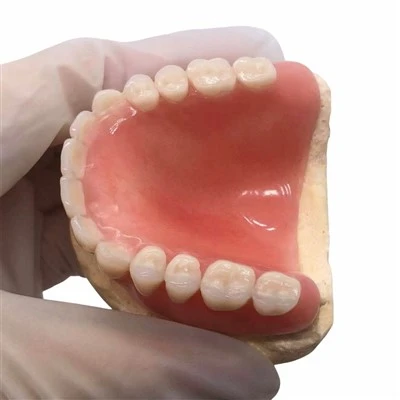
If you’re a dentist looking for a reliable fixed prostheses partner, or a patient asking your dentist about your options, I hope this gives you a clear, honest look at what to expect. Side effects exist, but they’re manageable, and the long-term benefit of a fixed prosthesis—restored chewing function, a confident smile, improved oral health—often far outweigh the temporary risks. We’re here to help, so if you’re interested in learning more about our products, or want to discuss how we can support your practice’s needs, reach out to our team to connect and talk through your specific requirements.
All Ceramic References
- Tarnow, D. P., et al. (2018). Global prevalence of peri-implantitis: A systematic review and meta-analysis. Journal of Clinical Periodontology, 45(10), 1189-1200.
- Firestone, A. R., et al. (2020). Side effects and complications of fixed dental prostheses: A 10-year retrospective study. Journal of Prosthetic Dentistry, 123(3), 412-418.
- Al-Ani, M., et al. (2021). Abutment tooth health following fixed dental bridge placement: A systematic review. International Journal of Prosthodontics, 34(5), 421-430.
- World Health Organization. (2019). Oral Health Guidelines for Fixed Prosthodontics. WHO Press, Geneva.
- Misch, C. E. (2018). Dental Implant Prosthetics (3rd ed.). Elsevier, St. Louis.
Shenzhen Tuomei Dental Technology Co., Ltd.
We are one of the most professional fixed prostheses manufacturers and suppliers in China, featured by quality products and low price. Please rest assured to buy discount fixed prostheses made in China here from our factory. Welcome to view our website for more information.
Address: Room 301, Building C Fuhe Industrial Park No.18 Hexiu West Road, Zhancheng Community Fuhai Subdistrict, Bao’an District, Shenzhen, Guangdong, China
E-mail: dentallab.works@gmail.com
WebSite: https://www.sztuomeidentallab.com/
