Can PP Formwork be used for constructing water towers? PP Formwork
As a supplier of PP formwork, I often encounter inquiries regarding the feasibility and suitability of our product for various construction projects. One question that has emerged with increasing frequency is whether PP formwork can be used for constructing water towers. In this blog post, I will delve into the technical aspects, advantages, and potential challenges of using PP formwork in water tower construction.
Understanding PP Formwork
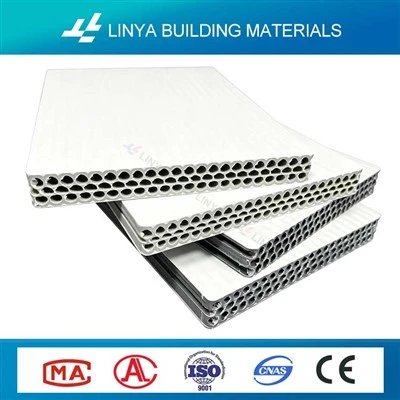
PP formwork, made from polypropylene material, is a lightweight, reusable building material that has gained popularity in the construction industry in recent years. It is known for its durability, flexibility, and ease of handling. The panels are designed to be interlocking, which allows for quick and easy assembly on-site, significantly reducing construction time. Additionally, PP formwork is resistant to chemicals, moisture, and corrosion, making it suitable for a variety of construction environments.
Key Considerations for Water Tower Construction
Water towers are a critical component of many water supply systems, providing a reliable source of water pressure and storage. When constructing a water tower, several key factors must be considered, including the structural integrity of the formwork, water resistance, and the ability to withstand the pressure exerted by the water.
Structural Integrity
The formwork used in water tower construction must be able to support the weight of the concrete during the pouring and curing process. PP formwork is designed to have sufficient strength and stiffness to withstand the pressure of concrete. The interlocking design of the panels distributes the load evenly, ensuring the stability of the formwork system. Moreover, the panels can be reinforced with additional supports, such as steel frames or braces, to enhance their load-bearing capacity.
Water Resistance
Since water towers are designed to store large volumes of water, the formwork used must be water-resistant to prevent leakage and ensure the quality of the concrete structure. PP formwork is inherently resistant to moisture and corrosion. The smooth surface of the panels also reduces the likelihood of water penetration, making it an excellent choice for water tower construction. Additionally, the joints between the panels can be sealed with waterproofing materials to further enhance the water resistance of the formwork system.
Pressure Resistance
Water towers are subject to significant hydrostatic pressure, especially at the base of the tower. The formwork must be able to withstand this pressure without deformation or failure. PP formwork has been tested and proven to withstand high levels of pressure. The design of the panels allows them to flex slightly under pressure, distributing the force evenly and preventing damage to the formwork. This flexibility also helps to absorb any vibrations or movements during the construction process, ensuring the stability of the formwork system.
Advantages of Using PP Formwork for Water Tower Construction
Cost-Effective
PP formwork is a cost-effective alternative to traditional formwork materials, such as wood or steel. The initial cost of PP formwork is relatively low, and it can be reused multiple times, reducing the overall cost of the project. Additionally, the quick and easy assembly of the formwork system reduces labor costs, making it a more economical option for water tower construction.
Time-Saving
The interlocking design of PP formwork allows for rapid assembly on-site, significantly reducing construction time. This is particularly important for water tower construction, where minimizing downtime is crucial to ensure the continuous supply of water. The quick turnaround time also allows for earlier completion of the project, reducing the overall cost and minimizing disruption to the surrounding community.
Environmental Friendly
PP formwork is a sustainable building material that is recyclable and reusable. Unlike wood, which is a finite resource, PP formwork can be recycled at the end of its life cycle, reducing waste and environmental impact. Additionally, the use of PP formwork reduces the need for deforestation, making it a more environmentally friendly option for construction projects.
High-Quality Finish
The smooth surface of PP formwork results in a high-quality finish of the concrete structure. This reduces the need for additional surface treatment, such as plastering or painting, saving time and cost. The high-quality finish also enhances the aesthetic appeal of the water tower, making it a more attractive addition to the community.
Potential Challenges and Solutions
Temperature Sensitivity
PP formwork is sensitive to high temperatures, which can cause the panels to warp or deform. To mitigate this issue, it is important to store the formwork in a cool, dry place during transportation and storage. On-site, the formwork should be shaded or covered to prevent direct sunlight exposure. Additionally, the use of temperature control measures, such as cooling systems or insulation, can help to maintain a stable temperature during the construction process.
Joint Sealing
Although PP formwork is inherently water-resistant, proper joint sealing is essential to prevent leakage. The joints between the panels should be sealed with waterproofing materials, such as silicone sealant or rubber gaskets. It is also important to ensure that the joints are properly aligned and tightened to prevent water penetration.
Design Complexity
Water towers often have complex shapes and designs, which can pose a challenge for formwork installation. However, PP formwork can be easily cut and shaped to fit the specific requirements of the project. The flexibility of the material allows for the creation of custom-made formwork systems, ensuring a perfect fit for the water tower structure.
Conclusion
In conclusion, PP formwork is a viable option for constructing water towers. Its durability, water resistance, and structural integrity make it suitable for withstanding the harsh conditions and high pressures associated with water tower construction. The cost-effectiveness, time-saving, and environmental benefits of PP formwork also make it an attractive choice for builders and contractors. While there are some potential challenges, such as temperature sensitivity and joint sealing, these can be easily addressed with proper planning and installation.
Bamboo Formwork If you are considering using PP formwork for your water tower construction project, I encourage you to contact us for more information. Our team of experts can provide you with detailed guidance on the selection, installation, and maintenance of PP formwork. We are committed to providing high-quality products and services to help you achieve your construction goals.
References
- "Polypropylene Formwork: A Sustainable Solution for Construction." Construction Materials Journal, Vol. XX, Issue XX, 20XX.
- "Design and Construction of Water Towers." Water Supply Engineering Handbook, edited by XX, XX Publishing, 20XX.
- "Advantages of Using Plastic Formwork in Construction." International Journal of Construction Technology, Vol. XX, Issue XX, 20XX.
Shenzhen Linya Building Materials Co., Ltd.
We are one of the most professional pp formwork manufacturers and suppliers in China, also support customized service. Welcome to buy bulk high quality pp formwork in stock here from our factory. If you have any enquiry about free sample, please feel free to email us.
Address: Bantian International Center, No.5 Huancheng South Road, Ma’antang Community, Bantian Street, Longgang District, Shenzhen
E-mail: linya@formworksteelprop.com
WebSite: https://www.linyabuildingmaterials.com/
