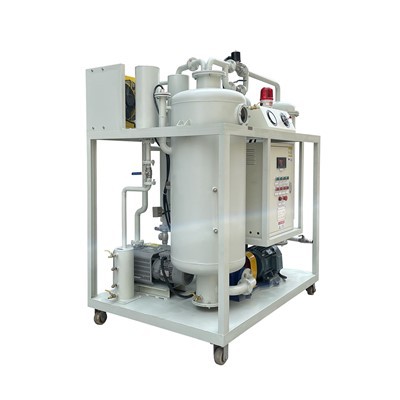
As a provider of sewage treatment equipment, I’ve witnessed firsthand the vital role that electrical safety plays in the efficiency and reliability of these systems. Sewage treatment is a complex process that involves a wide range of electrical equipment, from pumps and motors to control panels and monitoring systems. Ensuring the electrical safety of this equipment is not only crucial for the smooth operation of the treatment plant but also for the protection of personnel and the environment. Sewage Treatment Equipment
Understanding the Electrical Risks in Sewage Treatment
Before delving into the safety measures, it’s essential to understand the potential electrical risks associated with sewage treatment equipment. The wastewater environment is a challenging one, with high humidity, corrosive chemicals, and the presence of conductive liquids. These factors can significantly increase the risk of electrical hazards, such as short circuits, electrical shocks, and fires.
One of the primary risks is electrical shock. Workers in sewage treatment plants are often exposed to electrical equipment while performing maintenance, repairs, or inspections. If the equipment is not properly insulated or grounded, there is a high risk of electrical shock, which can range from mild discomfort to severe injury or even death.
Another significant risk is short circuits. The presence of moisture and conductive materials in the sewage can cause short circuits in electrical systems. A short circuit can lead to overheating, electrical fires, and damage to the equipment. This not only disrupts the sewage treatment process but also poses a significant safety threat to the plant and its surroundings.
Electrical fires are also a major concern. Overheating of electrical components, caused by factors such as overloading, faulty wiring, or poor maintenance, can ignite flammable materials in the sewage treatment plant. Electrical fires can spread quickly and cause extensive damage to the equipment, the building, and the environment.
Electrical Safety Measures for Sewage Treatment Equipment
1. Proper Installation
The first step in ensuring electrical safety is proper installation. All electrical equipment should be installed by qualified electricians who are familiar with the specific requirements of sewage treatment plants. The installation should comply with local electrical codes and standards, which are designed to minimize the risk of electrical hazards.
During the installation process, it’s important to ensure that all electrical connections are tight and secure. Loose connections can cause arcing, which can lead to overheating and electrical fires. Additionally, all equipment should be properly grounded to prevent electrical shocks. Grounding provides a path for electrical current to flow safely into the ground in the event of a fault.
2. Regular Maintenance
Regular maintenance is essential for the safe operation of sewage treatment equipment. Maintenance should include inspections, testing, and cleaning of electrical components. Inspections should be carried out at regular intervals to check for signs of wear, damage, or corrosion. Any damaged or worn components should be replaced immediately to prevent electrical hazards.
Testing of electrical equipment is also crucial. This includes testing the insulation resistance, grounding continuity, and circuit breakers. Insulation resistance testing helps to identify any deterioration in the insulation of electrical cables and equipment, which can lead to electrical shocks or short circuits. Grounding continuity testing ensures that the grounding system is functioning properly, while circuit breaker testing verifies that the breakers will trip in the event of an overload or short circuit.
Cleaning of electrical components is another important aspect of maintenance. The sewage environment can cause dirt, dust, and debris to accumulate on electrical equipment, which can affect its performance and increase the risk of electrical hazards. Regular cleaning helps to remove these contaminants and ensure the proper functioning of the equipment.
3. Use of Appropriate Equipment
Using appropriate electrical equipment is vital for electrical safety in sewage treatment plants. The equipment should be designed to withstand the harsh conditions of the sewage environment, including high humidity, corrosive chemicals, and the presence of conductive liquids.
For example, all electrical equipment should be rated for the appropriate environmental conditions. This includes using equipment with a high degree of protection against dust and water ingress, such as IP-rated enclosures. IP (Ingress Protection) ratings indicate the level of protection provided by the enclosure against the intrusion of solid objects and water.
In addition, the use of intrinsically safe electrical equipment is recommended in areas where there is a risk of explosive gases or vapors. Intrinsically safe equipment is designed to produce only enough energy to operate, but not enough to cause an explosion.
4. Employee Training
Employee training is an essential part of any electrical safety program. All employees who work with or around electrical equipment in sewage treatment plants should receive proper training on electrical safety procedures. This includes training on how to recognize electrical hazards, how to use electrical equipment safely, and what to do in the event of an electrical emergency.
Training should be provided on a regular basis to ensure that employees are up-to-date with the latest safety procedures and regulations. It should also include practical demonstrations and hands-on training to help employees develop the skills and confidence they need to work safely with electrical equipment.
5. Safety Signage and Lockout/Tagout Procedures
Safety signage is an important tool for communicating electrical hazards to employees. All electrical equipment and areas should be clearly marked with appropriate safety signs, indicating the presence of electrical hazards and any necessary safety precautions.
Lockout/tagout procedures are also crucial for preventing accidental energization of electrical equipment during maintenance or repair work. Lockout/tagout involves the use of locks and tags to isolate electrical equipment from its power source and to indicate that the equipment is being serviced. This helps to ensure that employees are protected from electrical shocks and other hazards while working on the equipment.
The Importance of Electrical Safety in Sewage Treatment
Ensuring electrical safety in sewage treatment plants is not only a legal requirement but also a moral obligation. Electrical hazards can cause serious injury or death to employees, as well as damage to the environment and the community. By implementing the electrical safety measures outlined above, we can minimize the risk of electrical hazards and ensure the safe and efficient operation of sewage treatment equipment.
In addition, electrical safety is also important for the reliability and efficiency of sewage treatment plants. Electrical failures can cause disruptions to the treatment process, leading to the release of untreated sewage into the environment. This can have serious consequences for public health and the environment. By maintaining the electrical safety of the equipment, we can reduce the risk of electrical failures and ensure the continuous operation of the treatment plant.
Conclusion

As a sewage treatment equipment provider, I understand the importance of electrical safety in ensuring the reliable and efficient operation of our products. By following the electrical safety measures outlined in this blog, sewage treatment plants can minimize the risk of electrical hazards and protect their employees, the environment, and the community.
Lubricating Oil Purifier If you’re in the market for high-quality sewage treatment equipment that meets the highest standards of electrical safety, I encourage you to reach out to us. We have a team of experts who can help you select the right equipment for your specific needs and provide you with the support and guidance you need to ensure its safe and efficient operation. Contact us today to start a discussion about your sewage treatment requirements.
References
- National Fire Protection Association. (2022). National Electrical Code (NEC).
- Occupational Safety and Health Administration (OSHA). (2022). Electrical safety standards.
- International Electrotechnical Commission (IEC). (2022). Electrical installation standards.
Chongqing TOP Oil Purifier Co., Ltd.
Chongqing TOP Oil Purifier Co., Ltd. is one of the most experienced sewage treatment equipment manufacturers and suppliers in China. Please rest assured to buy CE approved sewage treatment equipment made in China here from our factory. We also accept customized orders.
Address: No.1, Jianlong North Rd, Jiulongpo District, Chongqing, China
E-mail: sales@topoilpurifier.com
WebSite: https://www.xboilpurifier.com/
