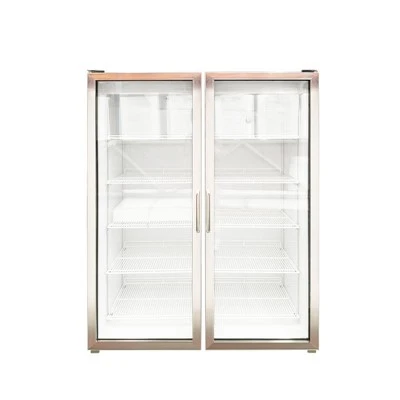
As a supplier of laminated glass doors, I often get asked about the suitability of our products in different environments, especially in cold climates. This question is crucial as the performance of a door in cold conditions can significantly impact the comfort, energy efficiency, and safety of a building. In this blog, I’ll delve into the technical aspects, benefits, and considerations of using laminated glass doors in cold climates. Laminated Glass Door
Technical Characteristics of Laminated Glass Doors
Laminated glass is composed of two or more glass layers bonded together with a polyvinyl butyral (PVB) interlayer. This construction gives laminated glass several unique properties that are particularly relevant in cold climates.
Thermal Insulation
One of the primary concerns in cold climates is heat loss. Laminated glass can be designed to provide good thermal insulation. The PVB interlayer acts as a barrier to heat transfer, reducing the amount of heat that escapes through the glass. Additionally, some laminated glass products can be filled with insulating gases such as argon, which further enhances their thermal performance. A well – insulated laminated glass door can help maintain a comfortable indoor temperature, reducing the need for excessive heating and thus lowering energy costs.
Strength and Durability
Cold temperatures can cause materials to become more brittle. However, laminated glass is known for its high strength and durability. The PVB interlayer holds the glass fragments together even if the glass is shattered, preventing shards from scattering and causing injury. In a cold climate, where there may be more stress on the door due to temperature fluctuations, wind, and snow, the strength of laminated glass ensures that the door can withstand these harsh conditions without failing.
Sound Insulation
In cold climates, strong winds and blizzards can create a lot of noise. Laminated glass provides excellent sound insulation properties. The PVB interlayer dampens sound waves, reducing the amount of external noise that enters the building. This is not only beneficial for creating a quiet and comfortable indoor environment but also for protecting against the noise pollution associated with winter storms.
Benefits of Using Laminated Glass Doors in Cold Climates
Safety
Safety is a top priority in any building. In cold climates, the risk of accidents due to ice, snow, and slippery conditions is higher. A laminated glass door provides an extra layer of safety. As mentioned earlier, if the glass is broken, the PVB interlayer keeps the fragments in place, reducing the risk of injury. This is especially important in commercial buildings, schools, and public spaces where there are many people moving in and out.
Energy Efficiency
Energy efficiency is a significant advantage of using laminated glass doors in cold climates. By reducing heat loss, these doors help to keep the indoor temperature stable. This means that heating systems don’t have to work as hard to maintain a comfortable environment, resulting in lower energy consumption and cost savings. Over time, the energy savings can offset the initial cost of installing laminated glass doors.
Aesthetics and Design Flexibility
Laminated glass doors offer a wide range of design options, allowing architects and designers to create visually appealing buildings in cold climates. They can be customized in terms of color, transparency, and pattern. Whether it’s a modern, minimalist design or a more traditional look, laminated glass doors can be tailored to meet the aesthetic requirements of any project. This is important as buildings in cold climates often need to balance functionality with visual appeal.
Considerations When Using Laminated Glass Doors in Cold Climates
Installation
Proper installation is crucial for the performance of laminated glass doors in cold climates. The door must be installed correctly to ensure a tight seal and prevent air leakage. Any gaps or improper sealing can significantly reduce the thermal insulation properties of the door and lead to increased heat loss. It’s important to work with experienced installers who are familiar with the challenges of installing doors in cold conditions.
Maintenance
Laminated glass doors generally require less maintenance compared to other types of doors. However, in cold climates, they may be exposed to ice, snow, and salt, which can cause damage over time. Regular cleaning and inspection are necessary to ensure the door remains in good condition. For example, removing salt and debris from the door frame and glass can prevent corrosion and damage.
Temperature Fluctuations
Cold climates often experience significant temperature fluctuations between day and night. These fluctuations can put stress on the glass and the door frame. It’s important to choose a laminated glass door that is designed to withstand these temperature changes. Some products are specially engineered to have a low coefficient of thermal expansion, which helps them to resist cracking or warping due to temperature variations.
Case Studies
Let’s look at a couple of real – world examples to illustrate the benefits of using laminated glass doors in cold climates.
In a large shopping mall located in a cold northern region, the installation of laminated glass doors led to a significant reduction in energy costs. The mall management reported that the improved thermal insulation of the doors helped to maintain a comfortable indoor temperature, even during the coldest winter months. Additionally, the sound insulation properties of the doors reduced the noise from the strong winds outside, creating a more pleasant shopping environment for customers.
In a school building in a cold climate, laminated glass doors were installed for safety reasons. During a severe winter storm, a large branch fell on one of the doors, causing the glass to break. However, thanks to the PVB interlayer, the glass fragments remained intact, preventing any injuries to the students and staff inside the building.
Conclusion
In conclusion, laminated glass doors can be an excellent choice for use in cold climates. Their thermal insulation, strength, safety features, and design flexibility make them suitable for a wide range of applications. However, it’s important to consider factors such as installation, maintenance, and temperature fluctuations to ensure optimal performance.
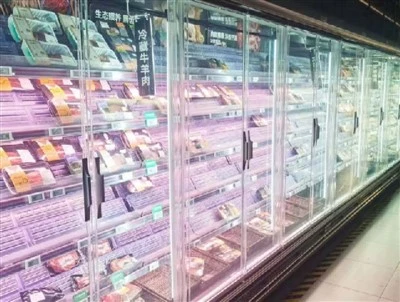
Commercial Cold Room If you’re considering using laminated glass doors for your project in a cold climate, I’d be more than happy to discuss your specific needs. Our team of experts can provide detailed technical information, customized solutions, and support throughout the installation process. Contact us to start a conversation about how our laminated glass doors can meet your requirements and enhance the performance and aesthetics of your building.
References
- ASTM International Standards on Glass and Glazing
- Window and Door Manufacturers Association Guidelines
- Research papers on Thermal Properties of Laminated Glass in Cold Climates from academic journals in the field of building sciences.
Coste Glass Door Co., Ltd.
As one of the most professional laminated glass door manufacturers and suppliers in China, we’re featured by quality products and good price. Please feel free to wholesale bulk laminated glass door in stock here and get quotation from our factory. Customized orders are welcome.
Address: 41/47, VILLAGE NO.5 KHOK KRABUE SUBDISTRICT MUEANG SAMUT SAKHON DISTRICT ,SAMUT SAKHON PROVINCE 74000 ,Thailand
E-mail: Alicezhou@shhag.com
WebSite: https://www.costeglassdoor.com/
