As a seasoned supplier of rectangular steel pipes, I’ve encountered numerous inquiries from clients regarding various technical aspects of these products. One question that frequently surfaces is about the modulus of elasticity of rectangular steel pipes. In this blog, I aim to delve into this topic comprehensively, shedding light on what the modulus of elasticity is, how it relates to rectangular steel pipes, and why it’s crucial in practical applications. Rectangular Steel Pipe
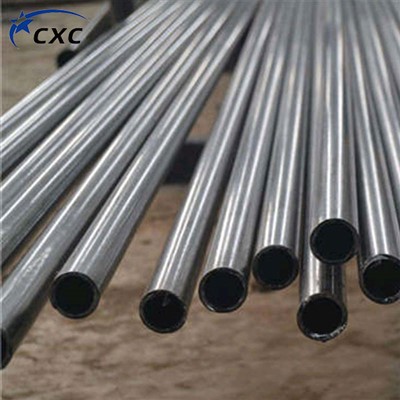
Understanding the Modulus of Elasticity
The modulus of elasticity, also known as Young’s modulus, is a fundamental mechanical property of materials. It measures the stiffness of a material, indicating how much it will deform under a given amount of stress within its elastic limit. In simpler terms, it quantifies the material’s resistance to elastic deformation when a force is applied.
Mathematically, the modulus of elasticity (E) is defined as the ratio of stress (σ) to strain (ε) in the elastic region of a material’s stress – strain curve:
[E=\frac{\sigma}{\varepsilon}]
where stress (σ) is the force applied per unit area ((\sigma=\frac{F}{A}), with F being the applied force and A the cross – sectional area), and strain (ε) is the ratio of the change in length ((\Delta L)) to the original length ((L_0)) of the material ((\varepsilon=\frac{\Delta L}{L_0})).
The unit of the modulus of elasticity is the same as that of stress, typically pascals (Pa) in the SI system. For engineering applications, gigapascals (GPa) are more commonly used. A higher modulus of elasticity means the material is stiffer and will deform less under a given stress.
Modulus of Elasticity of Rectangular Steel Pipes
Rectangular steel pipes are made primarily from steel, a material known for its high strength and stiffness. The modulus of elasticity of steel is relatively consistent across different types of steel used in pipe manufacturing. Generally, the modulus of elasticity of structural steel, which is commonly used to produce rectangular steel pipes, is approximately (E = 200\space GPa).
This value is based on the fact that steel is an isotropic material within the elastic range, meaning its mechanical properties are the same in all directions. However, it’s important to note that the actual modulus of elasticity can vary slightly depending on factors such as the specific composition of the steel, the manufacturing process, and the presence of any impurities or defects.
For example, if a particular batch of rectangular steel pipes is made from high – strength low – alloy (HSLA) steel, the modulus of elasticity may still be close to (200\space GPa), but the yield strength and ultimate tensile strength will be significantly higher compared to regular carbon steel pipes. This is because the alloying elements in HSLA steel enhance its strength without substantially altering its elastic properties.
Importance of the Modulus of Elasticity in Rectangular Steel Pipe Applications
Structural Design and Engineering
In structural engineering, the modulus of elasticity is a critical parameter for designing buildings, bridges, and other infrastructure projects that use rectangular steel pipes. Engineers use this value to calculate the deflection and deformation of the pipes under different loads. For instance, when designing a steel frame structure, the modulus of elasticity helps determine how much the rectangular steel pipes will bend or stretch when subjected to vertical loads (such as the weight of the building) and horizontal loads (such as wind or seismic forces).
By ensuring that the calculated deflections are within acceptable limits, engineers can guarantee the safety and stability of the structure. If the modulus of elasticity is underestimated, the calculated deflections may be too small, leading to a structure that is more flexible than expected and potentially at risk of failure under extreme loads. Conversely, overestimating the modulus of elasticity can result in an over – designed structure, which is more expensive and may not be necessary for the intended application.
Manufacturing and Quality Control
In the manufacturing process of rectangular steel pipes, the modulus of elasticity is used as a quality control parameter. Manufacturers can measure the modulus of elasticity of samples taken from the production line to ensure that the pipes meet the specified standards. Deviations from the expected modulus of elasticity value may indicate issues with the steel composition, heat treatment, or manufacturing process.
For example, if the measured modulus of elasticity is significantly lower than the standard value of (200\space GPa), it could suggest that the steel has a higher carbon content or that it has not been properly heat – treated. In such cases, the manufacturer can take corrective actions, such as adjusting the production parameters or rejecting the non – conforming batches, to maintain the quality of the rectangular steel pipes.
Material Selection and Comparison
When choosing rectangular steel pipes for a specific application, the modulus of elasticity is an important factor to consider. Different types of steel pipes may have different moduli of elasticity, which can affect their performance in different scenarios. For example, in applications where high stiffness is required, such as in the construction of tall buildings or long – span bridges, pipes with a higher modulus of elasticity may be preferred.
On the other hand, if some degree of flexibility is needed, such as in seismic – prone areas, pipes with a slightly lower modulus of elasticity may be more suitable. By comparing the moduli of elasticity of different types of rectangular steel pipes, engineers and contractors can make informed decisions about which product is best for their project.
Factors Affecting the Modulus of Elasticity in Rectangular Steel Pipes
Steel Composition
The chemical composition of the steel used to make rectangular steel pipes has a significant impact on its modulus of elasticity. As mentioned earlier, alloying elements such as manganese, silicon, and chromium can enhance the strength of the steel without significantly changing its elastic properties. However, excessive amounts of certain elements or impurities can affect the modulus of elasticity.
For example, a high sulfur content in the steel can lead to a decrease in the modulus of elasticity, as sulfur can form brittle compounds that reduce the material’s ability to resist deformation. Similarly, a high carbon content can increase the hardness of the steel but may also make it more brittle, potentially affecting its elastic behavior.
Manufacturing Process
The manufacturing process of rectangular steel pipes can also influence their modulus of elasticity. Processes such as hot – rolling, cold – rolling, and welding can introduce internal stresses and microstructural changes in the steel, which can affect its mechanical properties.
Hot – rolled rectangular steel pipes are generally more ductile and have a more uniform microstructure compared to cold – rolled pipes. The hot – rolling process can also help relieve internal stresses, resulting in a more consistent modulus of elasticity. Welding, on the other hand, can create heat – affected zones (HAZs) where the microstructure and mechanical properties of the steel may be different from the base metal. This can lead to local variations in the modulus of elasticity, which need to be considered in structural design.
Temperature
The modulus of elasticity of rectangular steel pipes is also temperature – dependent. As the temperature increases, the modulus of elasticity of steel decreases. This is because the thermal energy causes the atoms in the steel to vibrate more vigorously, reducing the interatomic forces that resist deformation.
In high – temperature applications, such as in industrial furnaces or power plants, the decrease in the modulus of elasticity needs to be taken into account when designing structures using rectangular steel pipes. Engineers may need to use special high – temperature steels or design additional support structures to compensate for the reduced stiffness of the pipes at elevated temperatures.
Conclusion

In conclusion, the modulus of elasticity is a crucial property of rectangular steel pipes that plays a vital role in their design, manufacturing, and application. As a supplier of rectangular steel pipes, I understand the importance of providing high – quality products with consistent mechanical properties. By ensuring that our pipes have a modulus of elasticity close to the industry standard of (200\space GPa), we can meet the needs of our clients in various structural and engineering projects.
Galvanized Steel Pipe If you’re in the market for rectangular steel pipes and want to learn more about how the modulus of elasticity can impact your project, or if you have any other questions about our products, I encourage you to reach out to us. Our team of experts is ready to assist you with your procurement needs and provide you with the technical support you require. Let’s start a discussion about how our rectangular steel pipes can meet the demands of your next project.
References
- Callister, W. D., & Rethwisch, D. G. (2018). Materials Science and Engineering: An Introduction. Wiley.
- Budynas, R. G., & Nisbett, J. K. (2011). Shigley’s Mechanical Engineering Design. McGraw – Hill.
- American Institute of Steel Construction (AISC). (2017). Specification for Structural Steel Buildings.
Wuxi Chengxingchuang Metal Products Co., Ltd.
As one of the most professional rectangular steel pipe manufacturers and suppliers in China, we’re featured by quality products and good price. Please rest assured to buy cheap rectangular steel pipe for sale here from our factory. Customized orders are welcome.
Address: No. 8-2, Zhoujia Lane, Liangxi District, Wuxi City, Jiangsu Province, China
E-mail: 13961862735@163.com
WebSite: https://www.cxcsteeltube.com/
