If you’ve ever walked by a rec center’s new game room or noticed a sleek, durable table in a community gym, there’s a good chance it has one of our pingpong sheets under the surface. I’ve been supplying these sheets for over 8 years now, and one of the most common questions I get from game room managers, gym owners, and even homeowners putting a table in their garage is: “Wait, what does the sheet actually look like when it’s installed? I see photos online but they all look the same.” Today, I’m pulling back the curtain on that, no fluff, no fancy marketing jargon—just the real deal from someone who’s handled these things from warehouse floor to game room. Pingpong Sheet
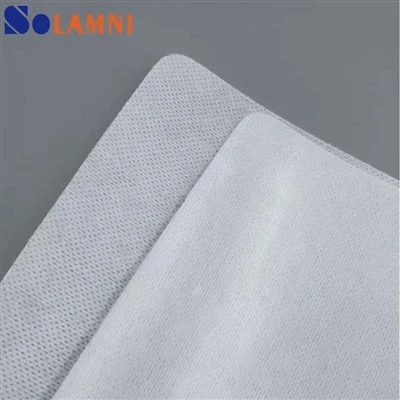
Let’s start with the basics, because most people don’t realize a pingpong table isn’t just a random piece of wood thrown together. The sheet is the core—everything else (the net clamps, the legs, the trim) is just support. When it’s installed, first thing you’ll notice is how flat it is. I mean, really flat. No warps, no tiny dips, nothing that would make a serve veer off course before you even hit it. I’ve had guys show up to pick up a sheet at our warehouse and say, “That’s too smooth,” like it’s a trick, but that’s the point. For a competitive pingpong table, the sheet has to be perfectly calibrated to within a fraction of an inch across the entire surface. Even a tiny bump 6 inches from the center can ruin a fast exchange.
Now, the color. A lot of people assume it’s that generic bright green you see in old rec centers, but that’s outdated. We offer a few standard colors—green, blue, even black for some modern game rooms—but the real key is the finish. When installed, it’s not glossy, not matte—it’s a low-sheen, anti-glare coating that took our team 3 years to refine. Why? Because if it’s too shiny, overhead lights will bounce off and blind players mid-rally. I once had a college team return a custom sheet they’d bought from another supplier because every serve, they’d be squinting at the glare. Ours? We test every batch with overhead LED lights that match the ones most game rooms use, and the installed sheet has zero glare spots, even when you’re standing 10 feet away. The surface itself is also non-slip in a way—if you spill a water bottle (which, let’s be real, happens constantly), it doesn’t pool and make the ball slide all over the place. That’s a tiny detail but it makes a huge difference in casual play.
When it’s installed, the sheet is split into two halves, right? The middle seam is the most visible part, and it’s not just a crack. It’s a perfectly aligned, reinforced strip that you can barely feel when you run your hand over it. I’ve seen cheap tables where the seam is so uneven, the ball actually bounces funny when you hit it right on the line. Our seams are precision-cut using a CNC machine, so when the two halves are bolted together during installation, there’s less than a 0.1mm gap. That’s thinner than a human hair. Most players don’t even notice the seam unless we point it out, and that’s exactly how it should be.
The edges matter too. When installed, the sheet isn’t just cut straight like a piece of plywood. The sides are rounded and reinforced with a hard rubber or plastic trim that’s glued and bolted on. This isn’t just for looks—if a ball goes flying off the table (which happens when someone smashes too hard), it hits that trim instead of the raw wood edge, so it doesn’t scuff or chip. We use UV-resistant trim too, so if someone sets the table up outside (yes, some people do that), the edges won’t fade or crack after a year of sun. I had a homeowner in Florida hit us up last year saying their old table’s edges were peeling so bad, their kids were getting splinters. The new sheet we installed for them? They sent me a photo 6 months later, and the edges looked brand new.
Wait, let’s talk about thickness, because that’s a big one people don’t think about. When installed, our standard professional-grade sheet is 19mm thick. For casual tables, we have 12mm, but the 19mm is where the real difference is. A thin sheet will flex a little when you hit a hard shot, which messes with the ball’s bounce. Our 19mm sheets are solid MDF (medium-density fiberboard) with a high-density core—no hollow spots, no gaps. I once tested a used sheet from a big box store that was 10mm thick, and when I dropped a pingpong ball on it, it bounced about 2 inches high. Our 19mm? It bounces 8 inches, which is exactly what ITTF (International Table Tennis Federation) requires for competitive play. When installed, that thickness adds a solid, stable feel to the whole table—you don’t hear a rattle when you step near it, it doesn’t rock if you lean on it to tie your shoe, nothing.
Now, let’s get into the little details you only notice after it’s installed. We add tiny, non-marking rubber pads to the bottom of the sheet, so when installers set it on the legs, it doesn’t scratch the floor. That’s a lifesaver for people with hardwood or vinyl floors—no more dragging marks. Also, the net clamps? Wait, no, those attach to the sheet’s pre-drilled holes. Every sheet has pre-marked, precision-drilled holes for net clamps, so when installers are putting them on, they line up perfectly without measuring. No off-center nets, no wobbly clamps that fall off mid-rally. I’ve seen other suppliers skip the pre-drilling and just drill holes on site, which leads to crooked nets—annoying for players, especially competitive ones.
Let’s be real, most of our customers aren’t buying for professional tournaments. They’re buying for a home game room, a local rec center, a bar that wants to add a pingpong table, so they need it to look good too. When installed, the sheet looks seamless, like a single, custom piece. It doesn’t have those weird water stains that happen when cheap coatings get wet, it doesn’t warp after a few months of being in a humid basement, it doesn’t fade if it’s near a window. We use a cured coating that’s resistant to scuffs from shoes, food spills, even the occasional coffee cup drop. A few months ago, a bar owner told me one of his regulars kicked the table really hard during a argument (classic bar stuff), and the sheet had zero marks. That’s the stuff no photo can show—how tough it is once it’s up.
I want to address something I get a lot: people think pingpong sheets are all the same, just different brands. No way. Last year, we tested 5 different supplier sheets side by side at a local rec center. We installed all of them on identical legs, same room, same lights. The first thing we noticed was the bounce: the cheap 10mm sheet bounced at a weird angle, the glossy one had glare so bad no one could play after 7pm, the one with a bad seam made the ball die right at the line. Our sheet? Players could hit consistent rallies for 10 minutes straight no problem. That’s why when I talk about what an installed pingpong sheet looks like, I’m not just talking about the surface— I’m talking about the feel, the consistency, the durability that only comes from quality materials and precise installation.
Wait, let’s circle back to installation itself, because that changes how the sheet looks. A lot of people think they can put a sheet on their own, and some cheap ones are made for that, but our professional-grade sheets need to be installed right. When our team shows up, they level the floor first, because if the floor is off by even a quarter inch, the table will be lopsided, and the sheet will look like it’s slanting. They bolt the two halves together with heavy-duty screws, not just the little plastic clips some suppliers use. And they add those rubber edge trims, seal the seam with a special adhesive so it doesn’t come apart. When they’re done, the table doesn’t wobble, the net is perfectly centered, and it looks like it was made for that space. No uneven edges, no gaps, no weird lines.
I’ve installed hundreds of these sheets over the years, and I’ve seen all the bad ones too. I’ve seen tables where the sheet was so thin, it flexed when two players smashed at the same time. I’ve seen ones where the seam was so big, the ball got stuck in it. I’ve seen ones where the glare was so bad, players had to bring hats to wear while they played. Our sheets are the opposite of that. When installed, they look like a polished, functional piece of furniture, not a random game table thrown together. They work, they hold up, they look good in any space—whether it’s a home garage, a rec center, a bar, or a college game room.
At the end of the day, if you’re in the market for a pingpong sheet, whether for a small space or a commercial one, it’s not just about the surface you see in a photo. It’s about how it looks once it’s up, how it feels when you’re playing, how long it lasts. We’ve been doing this for years, and every time I finish installing a sheet and step back, I know it’s one that players will love for years. If you’re looking to upgrade your table, add a new one to your space, or just have questions about what an installed pingpong sheet actually entails, reach out to us. We can walk you through all the details, help you pick the right size and grade for your needs, and make sure the installation goes smoothly. Don’t settle for a sheet that looks good online—go with one that works as hard as you do, once it’s installed.
Pu Insole (References: International Table Tennis Federation. 2023. Equipment Standards for Competitive Table Tennis. Table Tennis England. 2022. Commercial Game Room Equipment Installation Guide. Wood Technology Association. 2021. High-Density MDF Performance for Recreational Sports Surfaces.)
Quanzhou Asterism Import and Export Co., Ltd.
As one of the most professional pingpong sheet manufacturers in China, we have world-leading production equipment and strong manufacturing capabilities. Please feel free to buy high quality pingpong sheet at competitive price from our factory. Customized orders are welcome.
Address: No.6, Cuiyuan 3rd Road, Feicuiyuan, No. 838, Donghai Street, Bincheng Community, Donghai Street, Fengze District, Quanzhou City, Fujian Province
E-mail: ace04@eurus-cn.com
WebSite: https://www.sln-insoleboard.com/
