Hey there! I’m a supplier of Thermoplastic Elastomers (TPE), and today I wanna chat about the awesome applications of TPE in the automation industry. TPE

First off, let’s get a quick rundown of what TPE is. TPE is a material that combines the best of both worlds – the flexibility and elasticity of rubber and the processability of thermoplastics. This unique combination makes it super versatile and a top choice for a whole bunch of industries, including automation.
Sealing and Gasketing
One of the most common applications of TPE in the automation industry is for sealing and gasketing. In automated machinery, there are tons of components that need to be sealed to prevent leaks of liquids or gases. TPE is perfect for this job because it has excellent sealing properties. It can be easily molded into different shapes to fit the specific requirements of the machinery.
For example, in conveyor systems, TPE gaskets are used to seal the joints between different sections of the conveyor. This helps to keep out dust, debris, and other contaminants, which can otherwise cause damage to the machinery. The flexibility of TPE also allows it to maintain a tight seal even when the conveyor is in motion, which is crucial for the smooth operation of the system.
Another great thing about TPE for sealing and gasketing is its resistance to a wide range of chemicals. Automated machinery often comes into contact with various chemicals during its operation, and TPE can withstand exposure to these chemicals without degrading. This means that the seals and gaskets made from TPE will last longer, reducing the need for frequent replacements and maintenance costs.
Cable Jacketing
Cables are an essential part of any automation system, as they are used to transmit power and data between different components. TPE is widely used for cable jacketing because it offers several advantages over other materials.
One of the main benefits of using TPE for cable jacketing is its flexibility. Automated machinery often requires cables to be bent and routed in tight spaces, and TPE can easily accommodate these bends without cracking or breaking. This makes it easier to install and maintain the cables, and also reduces the risk of cable damage during operation.
TPE also has good electrical insulation properties, which are crucial for preventing electrical interference and ensuring the reliable transmission of power and data. In addition, it is resistant to abrasion, which means that the cables will be protected from damage caused by rubbing against other surfaces. This is especially important in automated environments where cables are often subjected to a lot of movement and friction.
Vibration Damping
Automated machinery can generate a lot of vibrations during its operation, which can cause noise, wear and tear on the components, and even affect the accuracy of the machinery. TPE is an excellent material for vibration damping because it can absorb and dissipate the energy from the vibrations.
For instance, in robots used in industrial automation, TPE dampers can be installed at various points to reduce the vibrations caused by the movement of the robot’s arms and joints. This helps to improve the stability and precision of the robot, making it more efficient and reliable.
TPE can also be used in the motors of automated equipment. By using TPE as a vibration-damping material around the motor, the noise and vibrations generated by the motor can be significantly reduced. This not only creates a more comfortable working environment but also extends the lifespan of the motor and other associated components.
Sensors and Actuators
In the automation industry, sensors and actuators play a crucial role in monitoring and controlling the operation of the machinery. TPE can be used in the manufacturing of these components in several ways.
For sensors, TPE can be used as a protective housing. It can shield the sensitive electronic components inside the sensor from environmental factors such as dust, moisture, and mechanical damage. The flexibility of TPE also allows for easy integration of the sensor into different types of automated systems.
In actuators, TPE can be used as a sealing material to prevent the leakage of fluids or gases. It can also be used in the design of the actuator’s moving parts to provide a smooth and quiet operation. For example, in pneumatic actuators, TPE seals can ensure a tight fit between the piston and the cylinder, improving the efficiency of the actuator.
Human – Machine Interfaces
As automation becomes more prevalent, the interaction between humans and machines is becoming increasingly important. TPE is used in the design of human – machine interfaces (HMIs) to provide a comfortable and ergonomic user experience.
For example, in control panels of automated machinery, TPE can be used to make the buttons and knobs. TPE has a soft and tactile feel, which is more pleasant to the touch compared to other materials like hard plastics. This makes it easier for operators to use the control panel for extended periods without feeling fatigued.
TPE can also be used in the design of touchscreens in HMIs. It can be used as a protective layer on the screen, providing resistance to scratches and impacts. At the same time, its flexibility allows for a better fit and integration with the overall design of the HMI.
Why Choose Our TPE?
Now, you might be wondering why you should choose our TPE for your automation applications. Well, we have a team of experts who are constantly working on improving the quality and performance of our TPE products. We can offer a wide range of TPE formulations to meet your specific requirements. Whether you need a TPE with high chemical resistance, excellent flexibility, or superior vibration – damping properties, we’ve got you covered.
We also understand the importance of timely delivery in the automation industry. That’s why we have a well – organized supply chain that ensures you get your TPE products when you need them. And our customer service team is always ready to answer your questions and provide you with the support you need.
If you’re in the automation industry and looking for a reliable TPE supplier, don’t hesitate to get in touch with us. We’d love to have a chat with you about your needs and see how our TPE products can benefit your business. Whether it’s for a small – scale automation project or a large – scale industrial automation system, we’re confident that our TPE can make a positive difference.
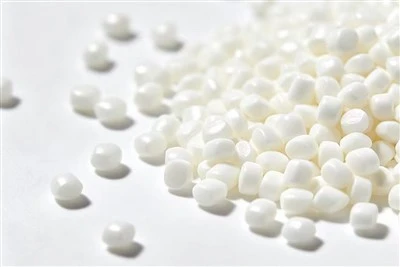
So, if you’re interested in learning more about our TPE products or want to discuss a potential purchase, just reach out to us. We’re excited to work with you and help you take your automation applications to the next level.
References
- "Handbook of Thermoplastic Elastomers"
- "Automation Industry Trends and Materials Requirements" research report
TPV That’s all for today’s blog. I hope you found it informative and that it gave you a better understanding of the applications of TPE in the automation industry. Talk to you soon!
Kunshan Kesun Polymer Co., Ltd.
Kunshan Kesun Polymer Co., Ltd. is one of the most professional TPE manufacturers and suppliers in China, featured by quality products and low price. Please feel free to wholesale bulk eco-friendly TPE from our factory. Contact us for customized service and free sample.
Address: No.108,Jinmao Road,Zhoushi Town,KunShan ,Jiangsu,China
E-mail: melody_yang@kesuntpe.com
WebSite: https://www.kesun-tpe.net/
